

If 2025 was the year travel fully regained its confidence, 2026 is the year it gets intentional. Travelers are no longer chasing destinations just because they’re trending on social media; instead, they’re seeking meaning, depth, and experiences that feel personal, restorative, and — worth the effort. From emerging destinations to the way we pack, book, and move through the world, these 2026 travel trends reveal how global travel is evolving — and how to make the most of it.
*This blog is reader supported and contains affiliate links, which means we may get a commission if you purchase products or experiences through our links. Your support is very appreciated.

Table of Contents
2026 Ins: The Travel Trends Defining the Year
Slow Travel With a Purpose
In 2026, travelers are choosing fewer destinations and longer stays, trading whirlwind itineraries for immersive experiences. Renting apartments for weeks, learning basic language skills, shopping at local markets, and experiencing smaller neighborhood charm are all part of this shift. Slow travel isn’t about doing less — it’s about seeing more beneath the surface.

Secondary Cities Steal the Spotlight
With major capitals feeling increasingly crowded, secondary cities are having a moment. Think Lyon over Paris, Porto over Lisbon, Medellín over Bogotá, or Kyoto or Osaka over Tokyo. These cities offer exceptional food scenes, rich culture, and fewer tourists — often at a lower cost. In 2026, travelers are realizing that the soul of a country can be found just outside its most famous city, often without the crowds.


Nature-Forward Destinations
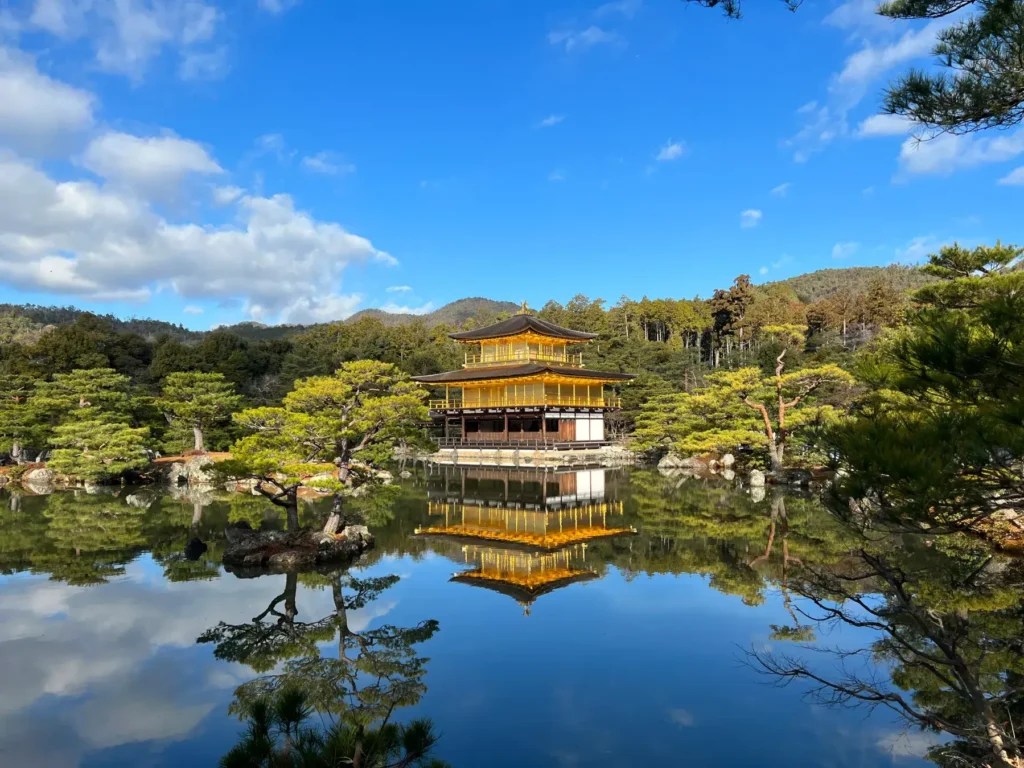
Nature-driven travel continues to surge in 2026, but it has evolved beyond the simple desire to “get outside.” Today’s travelers are drawn to landscapes that tell a story — places where geography meets culture, history, and daily life. Many are lingering in regions where nature provides insight to the cultural identity: exploring Patagonia’s lesser-known fjords, hiking through Slovenia’s alpine valleys where centuries-old farming traditions still endure, and discovering Colombia’s Caribbean coasts, where biodiversity and Afro-Indigenous cultures coexist.
Even in highly developed destinations, interest is shifting toward places like South Korea’s coastal national parks, where rugged shorelines, temple trails, and fishing villages offer a quieter counterpoint to urban life. While major cities are still a point of entry and exploration, the secondary destinations for trips are becoming increasingly nature-driven.


Cultural Travel Without the Rush
Museums, festivals, and heritage sites are being experienced more thoughtfully in 2026. Travelers are booking guided experiences led by locals, attending smaller cultural events, and building trips around meaningful traditions rather than must-see checklists. From regional food festivals to craft workshops and walking history tours, cultural travel is becoming slower, deeper, and far more memorable.
Pro Tip: How do you find these niche cultural experiences? My favorite trustworthy booking platform for bespoke travel activities is Get Your Guide. I have used them countless times on our travels and find it to be easy to use and full of great ideas.
Strategic Shoulder-Season Travel
With travelers more price-conscious and crowd-aware, shoulder seasons are booming. We are trying our best to avoid over-crowded destinations and let’s give the same attention to the seasons as well. Try visiting Greece in April, Korea in late autumn, or South America during transitional months, this allows for better weather, lower costs, and a calmer experience.
Shoulder seasons are typically the time between high and low season of your destination. To learn about shoulder season for your next destination, trying googling “[Your Destination] shoulder season.” You should be able to identify the wet seasons, high seasons and any other major events that affect crowd sizes.


Train Travel Makes a Comeback
As sustainability and experience-driven travel converge, train journeys are once again romantic. Take the scenic route using companies such as Rail Europe for scenic rail routes across Europe, or Klook for easy access to booking Japan Railway Trips. I’ve seen this high-end Luxury Rail Vacation from Hanoi to Ho Chi Minh in Vietnam making its way around some bucket lists and it looks like a truly magical experience.
Trains are being chosen not just for convenience, but for the joy of the journey. Travelers are building itineraries around rail travel, savoring landscapes rather than rushing past them. Are we seeing the theme here?
2026 Outs: Travel Trends We’re Leaving Behind
Choosing Overcrowded Instagram Hotspots
Choosing a destination purely because of the photo ops is almost always a letdown. I’m going to call myself out on this one, because we have all seen beautiful photos and been inspired to book the same itinerary. However, learning about a location from photos and then researching and understanding if the actual destination is a good fit for your travels are two separate things.
Travelers are increasingly aware that viral locations often come with long lines, inflated prices, and underwhelming experiences. In 2026, the goal is connection, not content.
Hyper-Packed Itineraries
To piggy back off the slow travel trend, we are leaving behind the era of squeezing five cities into seven days. Over-scheduling leads to burnout, missed moments, and travel fatigue. In 2026, travelers are embracing an intentional pace, leaving room for spontaneity and rest. Magical things happen when you just explore without a destination in mind. Book ending your magical moments with lots of hectic travel can total deplete the joy of your trip.
Personalization over Luxury
Traditional luxury — defined by excess and formality — is being replaced by personalized comfort. Travelers are looking for charm, atmosphere, and unique experiences over opulence. A thoughtfully designed boutique hotel or a well-located apartment often wins over five-star excess. Knowing where and what to splurge on creates higher satisfaction overall.
Constant Connectivity
Always-on travel is losing its shine, this can be tricky with the amount of apps, maps and messages it takes to travel effectively. However, more travelers are choosing accommodations with limited Wi-Fi, setting boundaries around work, and embracing moments offline. Being unreachable, even briefly, has become a luxury in itself. Would you be able to do it?
Emerging Destinations to Watch in 2026
Several destinations are emerging as standouts this year thanks to improved infrastructure, cultural appeal, and growing global interest:
- Albania: With dramatic coastlines, historic cities, and affordability, Albania is becoming one of Europe’s most compelling alternatives.
- Tasmania, Australia: Its rugged coastlines, wildlife encounters, and refined food scene deliver adventure without overwhelm. Great for travelers looking to balance nature and comfort on a long-haul journey.
- South Korea Beyond Seoul: Cities like Busan, Jeonju, and Gangneung are attracting travelers looking for coastal scenery, tradition, and modern culture.
- Northern Japan: Hokkaido and Tohoku are drawing travelers interested in nature, food, and seasonal travel.
- Eastern Europe’s Wine Regions: Countries like Georgia, Romania, and Slovenia are redefining wine tourism.
Looking Ahead to the Future of Travel
The defining 2026 travel trends point toward a more thoughtful, intentional way of exploring the world. This is a year for curiosity over consumption, depth over display, and experiences that linger long after you are back home.
Plan deeply, but with flexibility. Research culture, transportation, and seasons — then allow space for discovery. Choose quality over quantity. Fewer destinations often mean richer experiences and some built in rest. Support local economies. Stay local, eat local, and book experiences led by residents for a more authentic and ethical traveling experience.
Whether it’s lingering in a single neighborhood, discovering a rising destination, or simply traveling at a gentler pace, 2026 travel trends invites us to rediscover why we travel in the first place — not just to see the world, but to let it change you.
Discover More Travel Tips & Guides
If you’re planning your next trip, here are a few more guides to help you travel with confidence:
Ethical Travel: A Guide to Traveling With Purpose and Impact | Long Haul Flights: A Complete Survival Guide | Relocating Overseas with Pets | The Guide to Traveling Well | Travel Medical Safety
exploring:

Leave a comment